

- August 18, 2025
- Posted by: beenish
- Category: Blog
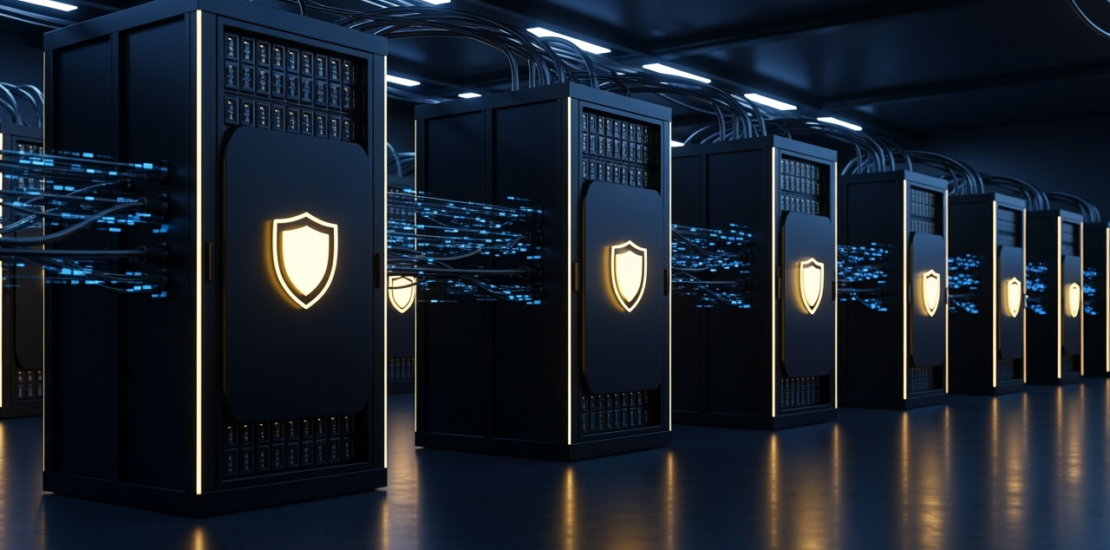
As organizations grow and data environments become more complex, the traditional model of centralized data storage is facing new challenges. Distributed Data Management Systems (DDMS) are gaining traction as a smarter, more resilient way to manage and secure information across today’s enterprise landscape.
What is a Distributed Data Management System (DDMS)?
A DDMS disperses data across multiple, independent nodes or locations, rather than relying on a single data center or network. This architecture increases data availability, improves fault tolerance, and, when implemented with the right controls, can significantly enhance data security.
A Shift in Perspective: Securing Each File, Not Just the Network
One of the most compelling schools of thought in the DDMS space is the move toward securing each individual file at the source, rather than focusing solely on network or perimeter defenses. This approach offers several key advantages:
- Granular Security: Each file is individually encrypted and access-controlled, reducing the impact of any single breach.
- Decentralized Storage: Data is fragmented and distributed, making it harder for attackers to compromise large volumes of information.
- Resilience: Even if one node is compromised, the rest of the data remains secure and accessible.
- Regulatory Alignment: Fine-grained control over data access and retention supports evolving privacy and compliance requirements.
Industry Examples
Innovative companies, like Privacy Chain, are pioneering this file-centric model, treating each piece of data as its own security perimeter. Rather than advocating for a single vendor, it’s important to recognize this as an emerging best practice that’s influencing how enterprises approach data security.
Why DDMS and File-Level Security Matter
- Limits Insider and External Threats: By controlling access at the file level, organizations can minimize damage from compromised credentials or malicious insiders.
- Defends Against Ransomware: Distributed, encrypted storage makes it more difficult for attackers to encrypt or exfiltrate critical data.
- Enables Secure Collaboration: Teams can share and access files securely across departments, locations, or even organizations.
Looking Ahead
As data becomes more distributed and cyber threats more sophisticated, the shift toward file-level security within distributed architectures is likely to accelerate. Organizations that embrace this mindset will be better positioned to protect their data, maintain business continuity, and meet regulatory demands.
Take Action Today
Is your enterprise data strategy ready for the next generation of threats? Explore how distributed data management and file-level security could enhance your organization’s resilience and flexibility.
🔗 Learn more about Privacy Chain’s approach: theprivacychain.com/data-security
🌐 Discover more at: www.disrisksolutions.com
Prepare. Protect. Prevail.