

- June 15, 2025
- Posted by: beenish
- Category: Blog
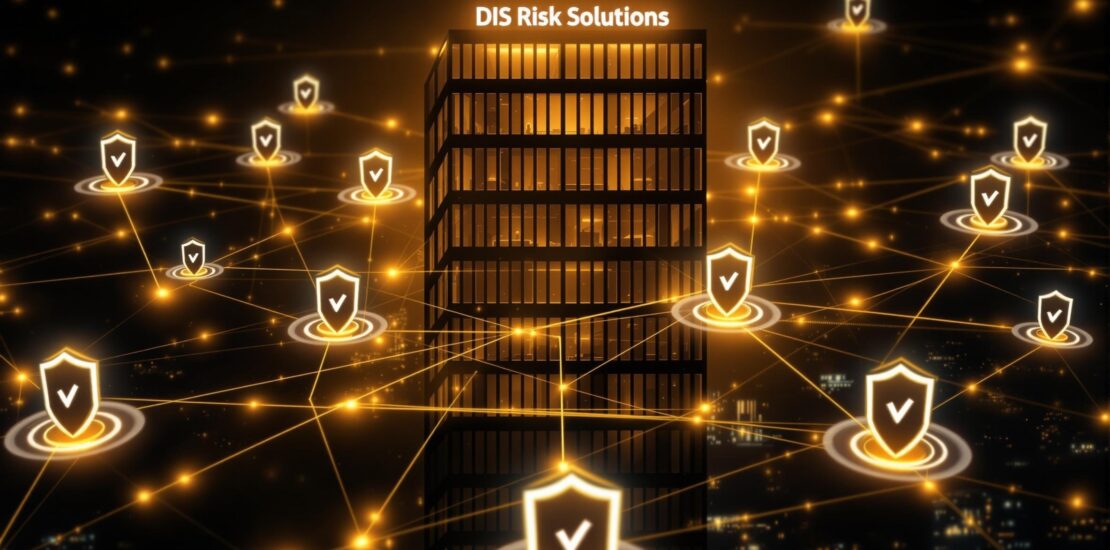
In today’s financial landscape, no institution operates in a vacuum. Banks, investment firms, and fintech companies rely on a complex web of vendors, technology partners, and service providers to deliver seamless customer experiences and maintain competitive advantage. But with this connectivity comes heightened exposure: third-party risk is now one of the most critical threats facing the financial sector.
Why the Financial Sector Is Vulnerable
Financial institutions are prime targets for cybercriminals due to the sensitive data and large transaction volumes they handle daily. Third-party vendors, whether cloud service providers, payment processors, or software suppliers, can become entry points for attackers, sometimes without the institution’s immediate knowledge.
Key risks include:
- Data Breaches: Compromised vendors can leak customer data, payment information, or proprietary algorithms.
- Operational Disruption: A single third-party outage or attack can halt trading, payment processing, or customer access.
- Regulatory Exposure: Non-compliance by vendors with regulations like GLBA, SOX, or PCI DSS can result in fines and reputational harm.
Recent Incidents & Trends
The financial sector has seen a sharp increase in supply chain attacks and targeted ransomware campaigns:
- In 2024, a major payment processor breach exposed millions of customer records, impacting banks and credit unions nationwide.
- Several investment firms faced trading halts after DDoS attacks on their third-party technology providers.
- Regulators are increasing scrutiny on vendor management practices, with new guidelines emphasizing continuous risk assessment.
Mitigating Third-Party Risk in Finance
To protect your institution, consider these best practices:
- Rigorous Vendor Due Diligence: Assess security posture, compliance, and incident history before onboarding.
- Contractual Controls: Require vendors to adhere to sector-specific regulations and security standards.
- Continuous Monitoring: Implement real-time monitoring of vendor activity and data flows.
- Integrated Incident Response: Ensure third parties are included in your cyber incident response plans.
- Cyber Insurance: Safeguard against financial losses tied to third-party breaches or disruptions.
Executive Perspective
Managing third-party risk isn’t just an IT issue. It’s a boardroom priority. Financial leaders must champion a culture of risk awareness, invest in advanced monitoring, and demand transparency from all partners.
Take Action Today
Third-party risk is complex, but with the right strategy, it’s manageable. At DIS Risk Solutions, we help financial institutions identify, assess, and mitigate third-party threats with industry-leading expertise and tailored solutions.
📧 Contact Us Today: marketing@disrisksolutions.com
🌐 Learn More: www.disrisksolutions.com
Prepare. Protect. Prevail.